On the surface, everything appears to be working.
You’re functioning. Showing up. Performing. Keeping things together.
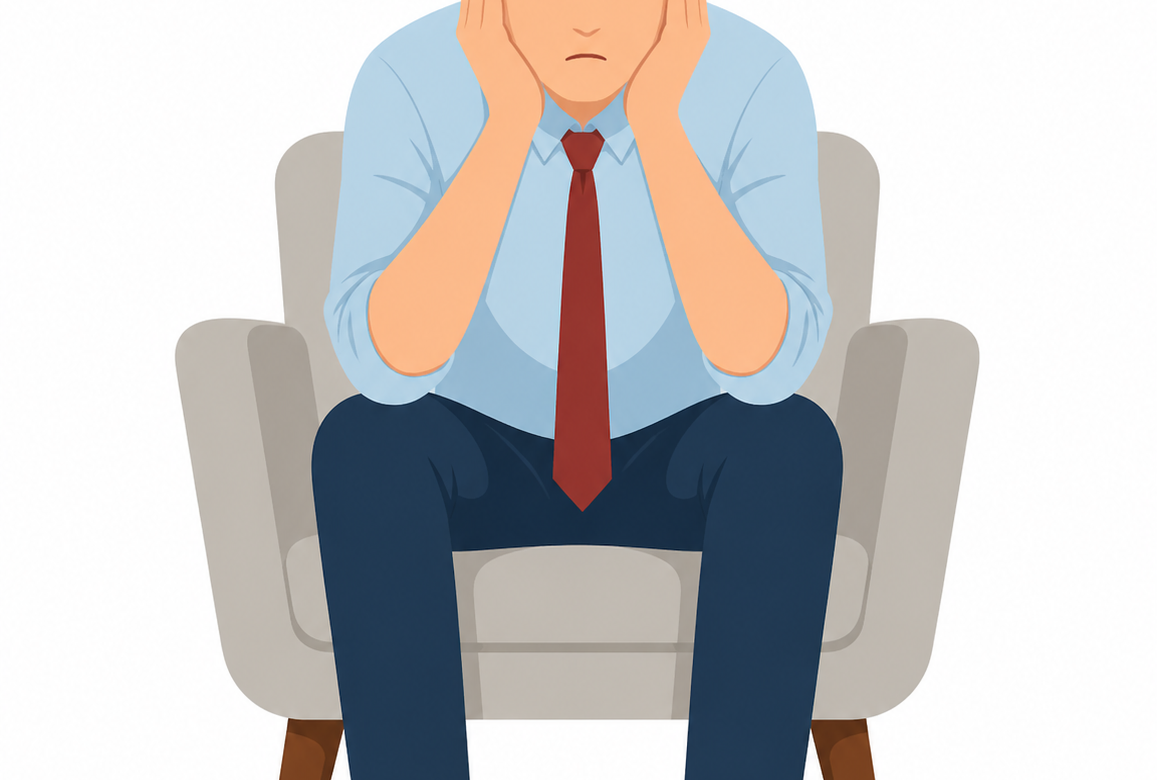
But underneath that, there’s something else—pressure, restlessness, a sense that your mind doesn’t quite switch off. A low-level tension that follows you through the day and into the night.
This is one of the most common presentations of anxiety I see in men.
What Is High-Functioning Anxiety in Men?
High-functioning anxiety is not a formal diagnosis, but a pattern often seen in men who appear successful, productive, and composed—while internally experiencing constant pressure, overthinking, and emotional strain.
Many of the men I work with in Sydney are performing well professionally, maintaining relationships, and meeting expectations—yet feel persistently unsettled beneath the surface.
When Anxiety Doesn’t Look Like Anxiety
For many men, anxiety doesn’t show up as obvious fear or panic.
It shows up as:
- Overthinking and mental fatigue
- Difficulty switching off, even when tired
- Irritability or a short temper
- Constant pressure to stay on top of everything
- A sense that something isn’t quite right
Because it doesn’t fit the stereotype of anxiety, it often goes unnoticed—or is dismissed as “just stress.”
The Cost of Always Holding It Together
Many high-functioning men have learned early on to manage themselves by staying composed, productive, and in control.
This works—until it doesn’t.
Over time, the system becomes overloaded. What once felt like discipline starts to feel like pressure. What once felt like control starts to feel like tension.
And because nothing is visibly “wrong,” it can be difficult to justify slowing down or seeking support.
Why This Pattern Develops
In many cases, this form of anxiety is not random.
It is often linked to:
- Early expectations to perform, succeed, or stay strong
- Limited space to express emotions growing up
- A tendency to rely on thinking rather than feeling
- Internal pressure to maintain control at all times
Over time, the mind becomes highly active—constantly scanning, analysing, and anticipating.
From the outside, it looks like competence.
From the inside, it can feel exhausting.
When It Starts to Affect Daily Life
Left unaddressed, this kind of anxiety can begin to impact:
- Sleep and recovery
- Focus and productivity
- Relationships
- Physical health
It’s not always dramatic—but it’s persistent.
And that persistence is what makes it worth addressing.
A Different Approach to Anxiety
Managing anxiety isn’t just about reducing symptoms.
In therapy, the focus is on understanding what’s driving the pattern in the first place.
This often involves:
- Slowing down the mental overactivity
- Developing awareness of internal states
- Working through underlying emotional patterns
- Creating a different relationship with pressure and control
When the underlying structure shifts, the anxiety tends to ease naturally—rather than needing to be constantly managed.
Taking the First Step
If you recognise yourself in this pattern, it may be worth exploring it further.
You don’t need to wait until things become overwhelming.
Appointments are available in Surry Hills, Sydney, or via telehealth.
Call or text: 0415 237 494
Email: info@counsellingformen.com.au
Contact: Book a session
For more on anxiety support, see:
Anxiety Counselling for Men in Sydney